Table of Contents
AI Summary
Ninja Creami Mistakes to Avoid (Straight From Ninja's Own Warnings)
A viral two-ingredient recipe got millions of views - and a direct warning from Ninja itself. Here are the specific mistakes the company has actually flagged, why they matter, and how to avoid damaging your machine or getting hurt.
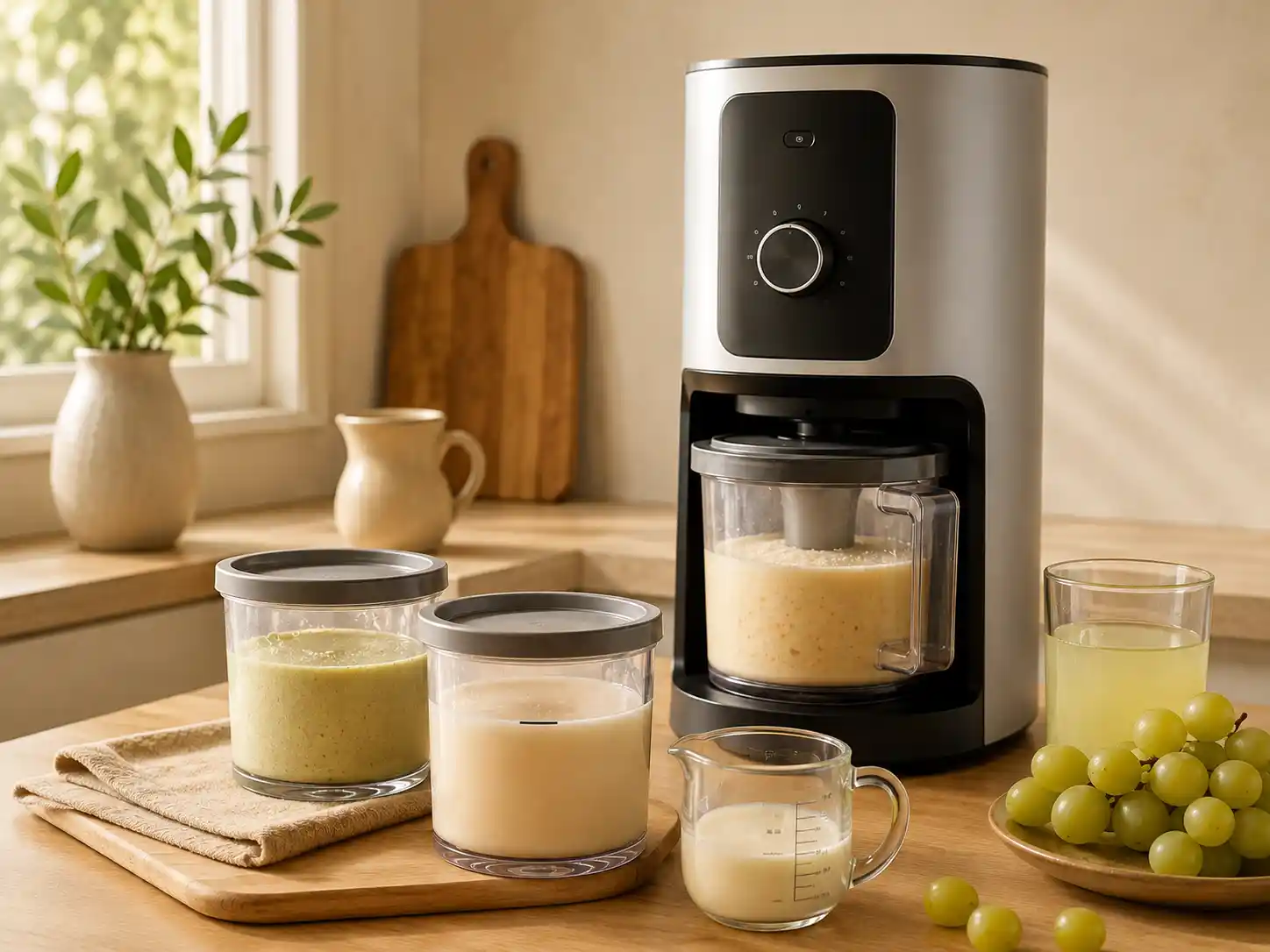
A 13-second TikTok video showing frozen grapes blended with lemonade racked up millions of views and inspired a wave of copycat "two-ingredient Creami sorbet" recipes. It also got a direct, public response from Ninja itself, warning users about two specific problems with the trend.
That response is worth paying attention to, because it's rare to get a manufacturer's own list of what not to do, straight from the source rather than filtered through a random blog. Here are the specific mistakes Ninja has flagged, why each one matters, and how to sidestep them without giving up on simple, creative bases.
Let carbonated drinks go flat first
This was the specific issue with the viral grapes-and-lemonade recipe. Responding to the trend, Ninja commented telling users to "avoid fizzy drinks or at least make them flat first."
The concern is about what happens to trapped carbonation in a frozen, sealed environment. Carbon dioxide bubbles suspended in a liquid that then freezes solid, and gets processed by a spinning blade, is a different situation than freezing a still liquid. Letting a carbonated drink sit out until it goes flat (losing its fizz) before adding it to your base removes this risk completely, without changing the flavor much for a sorbet-style treat.
The fix is simple: if a recipe calls for soda, lemonade, or any carbonated beverage, open it and let it sit uncovered for a while until it's flat, then use it as you normally would.
Don't freeze solid fruit directly
The other half of the viral recipe issue: freezing whole grapes (or other solid, dense fruit) and processing them directly.
Ninja's guidance advises against this because it can damage the machine. The Creami's blade is engineered to shave through a frozen liquid-based block - a mixture that was pourable before freezing. Whole, solid fruit is a fundamentally different material to process, and doing so risks the blade or motor.
The fix isn't to skip fruit - it's to blend it into your liquid base before freezing, rather than freezing fruit chunks or whole pieces separately. If you want fruit flavor and texture, puree it into the mix first.
Never exceed the max fill line
Every Creami pint container has a marked max fill line, and it's one of the more consistently repeated warnings across Ninja's own instructions.
Liquids expand as they freeze into ice, so a pint filled right to the brim before freezing can end up over capacity by the time it's solid. This creates two problems: it can put pressure on the container and lid, and it doesn't leave the blade proper room to process the block correctly once it's in the machine.
The fix: always check the fill line before sealing and freezing, and leave the recommended headroom even if it looks like there's room to spare.
Don't blend dry ingredients alone
Ninja specifically warns against processing dry ingredients without an adequate liquid base - essentially, the Creami isn't designed to function as a dry grinder or powder blender.
This matters because it's a mistake that seems intuitive to make (tossing in extra protein powder or a dry mix-in expecting it to blend smooth) but can strain the mechanism, which is built around processing a frozen liquid-based block, not dry solids.
The fix: dry ingredients like protein powder should be blended into your liquid base before freezing, not added dry at any stage of processing.
Never process hot liquid
This is the warning worth taking most seriously from a personal safety standpoint, not just a machine-damage one.
Mixing or freezing a base that was hot, or attempting to process something that hasn't fully cooled, risks pressure buildup and steam exposure - a real burn risk when the sealed container is opened or during processing.
The fix: always let any cooked or heated component of your base (melted chocolate, warmed dairy, etc.) return to room temperature before combining it into your mixture and freezing.
Let angled-frozen pints return to level before processing
If a pint container ends up frozen at an angle - tipped over in the freezer, wedged between other items - Ninja recommends waiting until it returns to a level, upright position before running it through the machine, rather than processing it as-is.
An unevenly frozen block (thicker ice on one side, thinner on the other) processes unpredictably and can put uneven strain on the blade as it works through inconsistent density. The fix: always freeze pints upright and on a flat surface from the start, which avoids this problem entirely rather than needing to correct for it later.
The mistake that isn't actually a mistake: crumbly texture
One thing worth clarifying, since it often gets treated as user error when it isn't: a crumbly or icy result after the first processing cycle is normal, especially for bases that are lower in fat and sugar (like high-protein versions).
This is exactly what the Re-Spin function is designed to fix - running the cycle again, sometimes with a small splash of added liquid, typically resolves it. For more detail on building smoother high-protein bases from the start, see our guide to high-protein Creami bases.
Putting it together
None of these warnings mean you need to abandon creative, simple recipes - the viral grapes-and-lemonade idea works fine once you make two adjustments: let the drink go flat, and blend the fruit into the liquid rather than freezing it solid.
The common thread across all of Ninja's warnings is straightforward: keep the base liquid before freezing (no dry ingredients alone, no whole solid fruit, no trapped carbonation), respect the fill line, let hot ingredients cool first, and freeze pints flat and upright. Follow those, and the machine runs safely and lasts as intended.
For the fundamentals of how the machine works, our complete guide to the Ninja Creami covers the basics. For building your own bases from scratch, our high-protein base guide goes deeper on ingredient ratios.
Sources and further reading
The information in this article is based on the following sources:
- Tom's Guide - "I was excited to try this viral Ninja Creami recipe, until Ninja warned users against it - here's why"
- Yahoo Lifestyle - "I was excited to try this viral Ninja Creami recipe, until Ninja warned users against it"
- Taste of Home - "Ninja Creami Review: Is This Viral Ice Cream Maker Worth the Hype?"
Always follow the specific safety and usage instructions included with your Ninja Creami model, since guidance can be updated by the manufacturer. This article summarizes publicly reported manufacturer guidance and is not a substitute for your unit's official manual.
Not without letting it go flat first. Ninja specifically warned users, in response to a viral soda-and-fruit recipe, to let fizzy drinks go flat before freezing and blending them. Carbonation trapped in a frozen block can build pressure when the blade processes it, which is a safety concern the company addressed directly.
Ninja advises against freezing solid, hard fruit like whole grapes directly, warning it can damage the machine. The blade is designed to shave a frozen liquid-based block, not chip through dense solid fruit. If you want fruit flavor, blend it into the liquid base before freezing rather than freezing chunks separately.
Overfilling past the marked max fill line on the pint container is one of Ninja's clearest warnings. It risks the mixture expanding as it freezes (liquids expand when they turn to ice) and can strain or damage the machine during processing, since the blade needs headroom to work through the block properly.
No. Ninja specifically warns against blending dry ingredients without enough liquid base. The machine is designed to process a frozen liquid-based mixture, not dry powders or solids on their own - doing so can damage the blade mechanism or motor.
No, this is one of the more serious warnings. Mixing or freezing hot liquids and then processing them can lead to pressure buildup and steam exposure, which poses a burn risk to the user when the container is opened or processed. Always let bases cool to room temperature before freezing them.
Don't process it. Ninja recommends waiting until the pint returns to a level, upright position before running it through the machine. A pint frozen at an angle has uneven ice distribution, which can process unpredictably and put uneven strain on the blade.
This is normal, not a sign of a mistake, and Ninja's own instructions address it directly. It usually means the base is too cold or lacks enough fat/liquid to shave smoothly. The Re-Spin function exists specifically for this - reprocess the batch, and consider adding a small splash of liquid first, especially for high-protein or low-fat bases.
It can be, but only with adjustments. The viral frozen grapes and lemonade recipe that prompted Ninja's warning works fine once you let the carbonated drink go flat before freezing, and blend rather than freeze whole grapes directly. The core idea (simple, minimal-ingredient bases) is fine - the specific execution needs those two changes to be safe for the machine.